February 27 – March 2, 2025: The 25th International Vilnius Book Fair “Kukutis Goes to the Fair” at LITEXPO

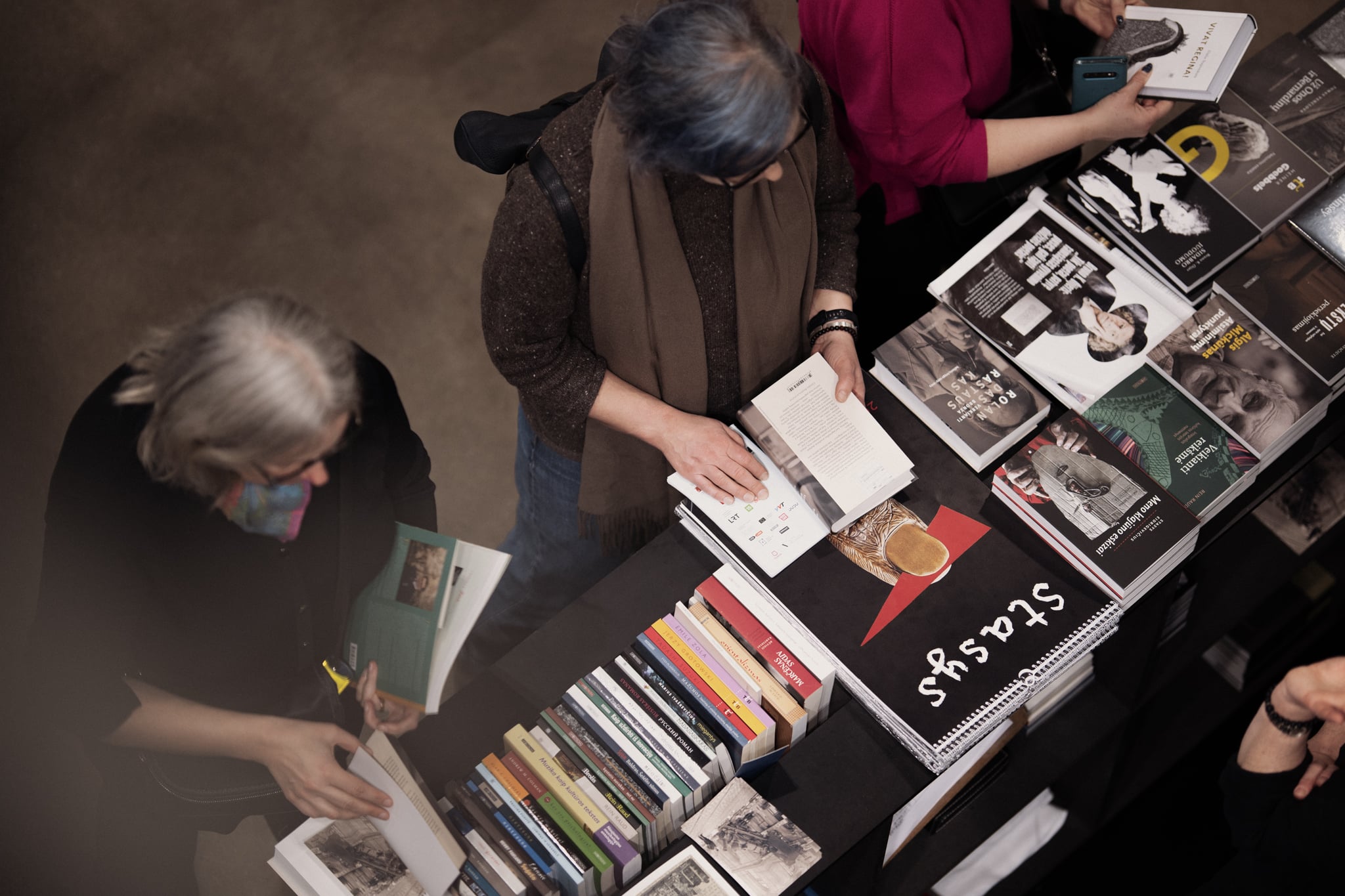
For the 25th time, the International Vilnius Book Fair will take place at the Lithuanian Exhibition and Congress Center LITEXPO from February 27 to March 2, 2025. Over a quarter-century, the fair has become a cultural hub, attracting tens of thousands of book lovers annually and creating a tradition that unites communities and generations of readers. In anticipation of this milestone event, we interviewed volunteers and long-time fair visitors.

Navigating the Buzz: Vilnius Book Fair Volunteers

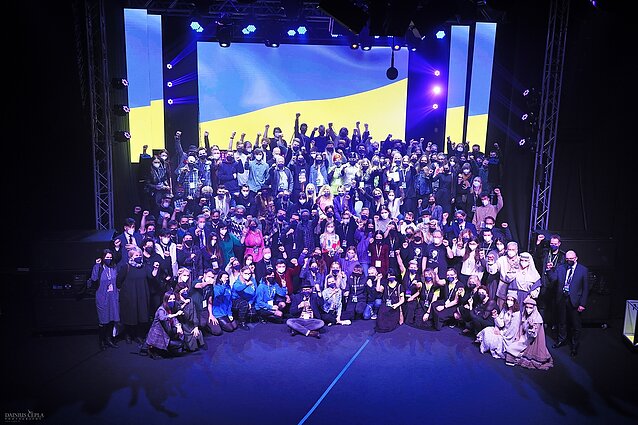
In early 2025, the Vilnius Book Fair organizers will launch a volunteer recruitment campaign. Laurynas Petrauskas, the volunteer coordinator, notes that about 70 volunteers participated in the previous fair, but there’s room for many more:
“We invite everyone to apply. To increase your chances, try to commit as much time as possible, ideally several days,” he says. “Volunteers at the fair are extraordinary people, making my job and theirs easier. Their patience, creativity, and willingness to help are truly inspiring.”

Petrauskas emphasizes that the primary task of volunteers is to be visible and enhance the experience for all visitors and participants:
“Without volunteers, the Vilnius Book Fair would lose its vibrancy—not just because of the bright-colored shirts they wear, but because they bring life and order to the fair, preventing chaos,” he adds.

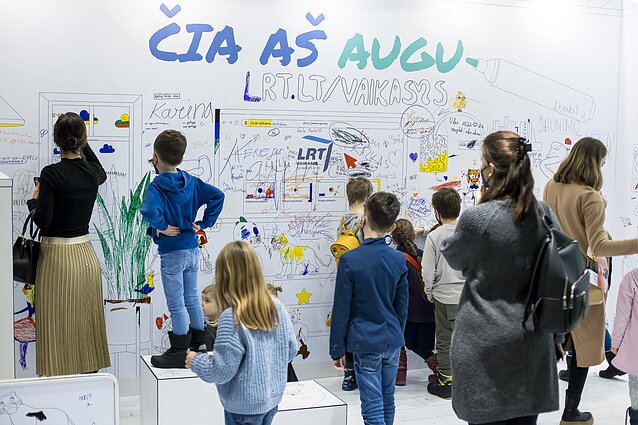
Volunteer Jokūbas Kodoras agrees:
“The key to any job is putting your heart into it. That’s what sets volunteers apart—we’re communicative and ready to help visitors navigate the fair’s lively environment. Without us, there would likely be more chaos, gloomy faces, and confusion. Our support at every Vilnius Book Fair is crucial and invaluable.”

Kukutis Among the Volunteers

The 25th Vilnius Book Fair will greet readers with the slogan “Kukutis Goes to the Fair.” Kukutis, a character created by poet Marcelijus Martinaitis, is one of the most vivid figures in Lithuanian poetry, embodying a free spirit, creativity, and courage to think differently. When asked about Kukutis, the volunteer team offered various interpretations:

“Kukutis is us: young people unafraid to speak up, question, and change the world around us. There are many such Kukutis-like individuals among us, including volunteers,” shares Petrauskas.
“For me, Kukutis symbolizes those who constantly seek new challenges and boldly step out of their comfort zone,” adds Kodoras.
Volunteer Eglė Platūkytė recites Martinaitis’ lines:
“And he runs / covered in pillow feathers / with unseeing eyes / runs ahead of time / – and he is chased / by the bodiless force / of several worlds.”
“In this distorted mirror realm, Kukutis is somewhat of an experiment, a phenomenon, or a prophet—or simply a poet,” she reflects.

Visitor Traditions: Special Moments and Celebrated Birthdays

Having volunteered at the fair since 2020, Kodoras observes that many visitors create their own traditions at the Vilnius Book Fair, himself included:
“If authors from Nordic countries attend, I make sure to listen to them. I also visit my favorite publisher’s stand and check out new book releases. On the first day, I like to explore the entire fair—from event halls and publisher booths to the Music Hall.”

Dr. Sigita Bagužaitė-Talačkienė, director of the Palanga Amber Museum, has attended the fair for nearly 20 years and cherishes a tradition of meeting friends:
“For six years now, I’ve met my friends Rytis, Irma, and Marius at the Vilnius Book Fair. We jokingly call it our unofficial ‘Doctors’ Club,’ as we all studied and defended dissertations together. The fair isn’t just about books but also about people: friends, colleagues, acquaintances. Could there be a better place to see everyone in one spot? For us, these annual gatherings provide a chance to reminisce and discuss cultural matters.”

Gailė Vanagienė, an ethnologist at the Vilnius Ethnic Culture Center, shares her unique tradition:
“My mother’s birthday is February 27, so every year at the fair, I buy her a book—usually a romance novel. My eleven-year-old daughter starts saving money as early as Christmas to purchase all the books she wants. She’s the biggest reader in our family. While choosing books, we also support small or lesser-known publishers, which we believe is important. Before leaving the fair, we stamp all our purchases with the Vilnius Book Fair seal. This ritual has become a cherished family moment, celebrating literature and togetherness.”

The Vilnius Book Fair as a Festival

Reflecting on her first visit, Vanagienė jokes:
“I’ve been attending my whole life. As far back as I can remember, the book fair has been part of my life. Books were highly valued in my family; my grandparents were lecturers and writers, and my parents were teachers. Growing up surrounded by books, attending the fair was a must. Each year, I went with my mom, and later, with my children. Now my teenage sons attend on their own, while I still go with my mother and daughters.”

Lolita Varanavičienė, former director of the publishing house Tyto alba and longtime organizer of the Vilnius Book Fair, once described it as “another annual celebration,” a sentiment echoed by both volunteers and visitors.
“I’m thrilled the fair has thrived for 25 years, becoming an integral part of many of our lives. Readers await the Vilnius Book Fair as eagerly as Christmas,” concludes Vanagienė.

Vilnius Book Fair organizers: „Publishers have created another celebration of the year“

From February 27 to March 2, 2025, the Lithuanian Exhibition and Congress Center LITEXPO will host the 25th International Vilnius Book Fair, with the slogan “Kukutis Goes to the Fair.” On November 19, 100 days before the event, a meeting of participants, organizers, initiators, and publishers was held at LITEXPO. During the event, gratitude was expressed to those who conceived and organized the first book fairs, as well as to the initiators of the Music Hall concept.

In preparation for this milestone event, we spoke with Lolita Varanavičienė, head of the publishing house Tyto alba and a long-time organizer of the Vilnius Book Fair, and Milda Gembickienė, who for two decades led the exhibition group at LITEXPO. When asked about the secret to the success of this quarter-century tradition, both answered unequivocally: “A passionate team and pure enthusiasm.”

A Celebration for Publishers, Writers, and Readers

To understand the history of the Vilnius Book Fair, one must look back to 1999, when LITEXPO hosted the Baltic Book Fair, an event that rotated annually between the capitals of the Baltic States. That year in Vilnius, the fair garnered unexpectedly high interest.

“Even in 1999, we sensed the strong desire of Lithuanians to read and discuss books,” said Varanavičienė. “This inspired us to explore new formats, leading to the idea of the Vilnius Book Fair. The first fair in 2000 was held in the current Music Hall space and focused on publishers’ book clearances. It was astonishing how many people came, many lugging bags full of books.”

Gembickienė echoed this sentiment: “The first fair was small, though at the time it felt quite large. We spent considerable time debating the format and ultimately chose a Swedish-style model—open to everyone—a celebration for writers, publishers, and readers alike. These three groups became the core of the fair, and it turned out to be a highly successful format.”

The organizers initially relied on international book fairs for inspiration and standards. Over the years, the Vilnius Book Fair has evolved into a learning experience for both publishers and visitors, as Varanavičienė explained: “These 25 years could be described as ‘study years.’”

A Fair That Challenges Norms

Two and a half decades ago, presenting and promoting books publicly was considered risky, as it was widely believed that books should find their readers on their own. “At the time, we didn’t have the now-familiar formats of discussions or concise, conceptual conversations with creators,” noted Varanavičienė. “There was even some resistance to these ideas. In this cultural context, we had to challenge norms and learn how to fit events into 45-minute formats and moderate effectively.”

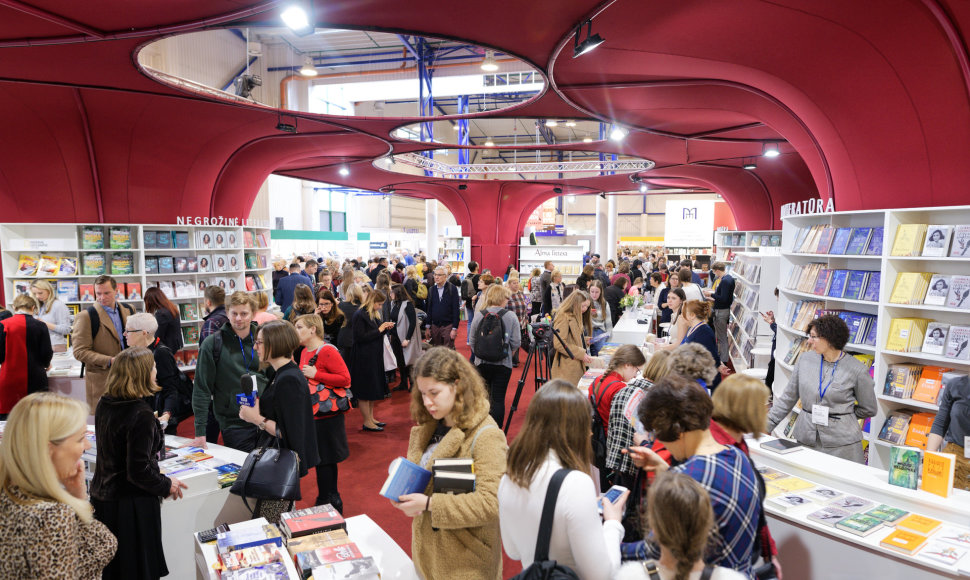
Today, the Vilnius Book Fair boasts a rich cultural program, with over 500 events offered during its four days—a tenfold increase from the inaugural fair. The growing audience prompted organizers to cater to diverse groups, including families, children, and professionals.

Over the years, specialized features such as library-focused days and children’s activities have been introduced. Themes like culinary books and live demonstrations, as well as the addition of social and political discussions, have made the fair a space “about people and what matters to them.”

International Stars Meet Local Readers

The fair has brought dozens of renowned international authors to Lithuania. However, Varanavičienė recalled how challenging it was initially to invite such stars. “Some authors saw their visit to Vilnius as an exotic adventure, wanting to see snow or an unfamiliar part of Europe,” she said.

Notable guests have included John Irving (The World According to Garp), Colleen McCullough (The Thorn Birds), and Alessandro Baricco. Over time, however, Lithuanian authors have gained equal or greater popularity among visitors, reflecting a shift in reading trends shaped by the fair itself.

The Music Hall: A Decade of Harmony

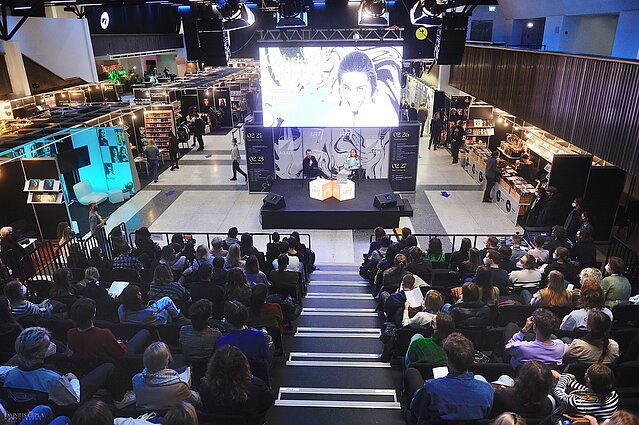
Since 2015, the Music Hall has been an integral part of the fair. Initiated by the Lithuanian Neighbouring Rights Association (AGATA), it began as a cozy corner combining books, live music, and coffee. Today, it’s a testament to the successful synergy between literature and music.

A Fair for Book Lovers

Over the years, the Vilnius Book Fair has become more than a place to buy books—it’s a cultural event. Many families who visited in its early days now return with their children, creating a multigenerational tradition.

“It’s a gathering of people with the same ‘book blood type,’” said Varanavičienė. Gembickienė added, “The fair has always attracted positive, curious visitors who are forgiving of any mishaps. They know why they’re here.”

The Historical Role of the Fair

Looking back, the Vilnius Book Fair not only reflects changes in publishing but also documents shifts in Lithuanian literature and culture. While much of its rich content remains undocumented, it has left an indelible mark on those who attended.

As Varanavičienė concluded, “The fair plays a critical role in preserving our language amidst globalization. While many young people read in English, the fair’s success in promoting Lithuanian authors and literature has been remarkable.”

Kukutis Goes to the Fair

The 2025 fair will center around the character Kukutis, created by poet Marcelijus Martinaitis. Symbolizing freedom and individuality, Kukutis serves as a fitting emblem for a fair that has grown into a cherished cultural tradition.


Vilnius Book Fair Turns 25: What You Didn’t Know About This Annual Literary Event

From February 27 to March 2, 2025, the largest annual international literary event in the Baltic region, the Vilnius Book Fair, will be held at the Lithuanian Exhibition and Congress Centre, LITEXPO. Over the past quarter-century, the fair has evolved into Lithuania’s foremost literary celebration for readers, becoming a true cultural hub that annually attracts tens of thousands of book lovers. As the upcoming Vilnius Book Fair approaches, visitors are invited to explore the history of this event and discover some lesser-known facts about this long-standing tradition.

  1. Celebrating 25 Years
    The 2025 Vilnius Book Fair will mark its 25th edition. The Baltic Book Fair was first held in 1999 at LITEXPO, rotating through the Baltic capitals each year. In Vilnius, it garnered tremendous interest, and in 2000, the fair became a standalone event, initially held in just one LITEXPO hall.
  2. A Special Date
    In the early years, some readers wondered if a warmer season would be better for the fair. However, February was chosen deliberately, aligning the Vilnius Book Fair with the global calendar of book fairs.
  3. Keeping Up with Readers’ Needs: Introduction of Online Book Sales
    The fair has introduced both literary and technological innovations to the literary community. For instance, at the 1999 Baltic Book Fair in Vilnius, visitors could buy the first Lithuanian e-book on a CD, and in 2002, the publisher Vaga launched online book sales, a first for Lithuania. Recently, the fair has focused on the growing popularity of e-books and audiobooks.
  4. Internationally Renowned Authors at Vilnius Book Fair
    Each year, the Vilnius Book Fair hosts dozens of international authors, although it was challenging to invite foreign writers more than 20 years ago. Some initially viewed the trip as an exotic adventure, as they were eager to see a less familiar part of Europe. Over the years, globally renowned authors have visited, including John Irving, Herbjørg Wassmo, Joanne Harris, Colleen McCullough, Alessandro Baricco, Melvin Burgess, Jostein Gaarder, Frédéric Beigbeder, and many others.
  5. The Music Hall Celebrates a Decade
    Since 2015, the Music Hall has been an integral part of the Vilnius Book Fair. This is Lithuania’s largest music fair, organized by the neighboring rights association AGATA, and it invites visitors to live concerts, meetings with music industry representatives, and discussions about the music business.
  6. Record Attendance: 72,000 Visitors in Four Days
    As an event that brings the reading community together, the Vilnius Book Fair attracts tens of thousands of visitors each year. The first standalone fair in 2000 became the literary event of the year, drawing around 30,000 people. A record was set in 2020, with more than 72,000 visitors.
  7. Youth Readers’ Hall
    The Vilnius Book Fair has brought together book lovers of all ages for 25 years, fostering new generations of readers. For young readers and teenagers, there’s a dedicated Youth Readers’ Hall with a Library Zone, creative workshops, labs, and a stage for events.
  8. Hundreds of Cultural Events
    Organizers say that what began as a book-selling event has grown into a cultural extravaganza with a program ten times richer than in 2000. Today, the fair offers more than 500 cultural events, including book presentations, discussions, author meet-and-greets, concerts, readings, and other activities.
  9. Longstanding Tradition of Literary and Music Awards
    Many Lithuanian publishers schedule their annual plans around the Vilnius Book Fair. The fair has become a benchmark for the literary community’s new year, celebrating the previous year’s best books and authors. Awards presented at the fair include the Jurga Ivanauskaitė Prize, the Vilnius Club Awards, the Book Art Competition Awards, and nominations from IBBY and the Lithuanian Literature and Folklore Institute’s Creative Dozen.
  10. “Kukutis Goes to the Fair”
    The 25th Vilnius Book Fair will greet readers with the slogan “Kukutis Goes to the Fair.” Created by poet Marcelijus Martinaitis, Kukutis is one of the most beloved figures in modern Lithuanian poetry, embodying human complexity and the longing for inner freedom. Lolita Varanavičienė, head of the Tyto alba publishing house and a longtime organizer of the fair, says that not only readers and writers come to the fair, but book characters themselves seem to join in.

The 25th Vilnius Book Fair, “Kukutis Goes to the Fair,” will take place from February 27 to March 2, 2025, at LITEXPO. Ticket sales will start 100 days before the event, on November 19. The fair is organized by the Lithuanian Publishers Association, AGATA, and LITEXPO.

23-iosios Vilniaus knygų mugės vizuale – eilutės laisvei

Vilniaus knygų mugė kasmet atveria galimybes skaitytojams susitikti su mėgstamais ir atrasti naujus rašytojus, iliustruotojus ir knygų kūrėjus iš viso pasaulio. Jos programoje visada yra erdvės plėtoti sudėtingas, drąsias ir aktualias temas. Du neabejotinai svarbūs 2023-iųjų mugės momentai bus Vilniaus 700-asis gimtadienis ir kovos už laisvę forpostas Europoje – Ukraina.

2023-ųjų Vilniaus knygų mugėje – 700 eilučių laisvei

Vilnius ir laisvė. Tai – du svarbiausi akcentai, apie kuriuos jau kalba ir galvoja 23-osios tarptautinės Vilniaus knygų mugės rengėjai. 700 metų jubiliejų švenčiantis žalias, laisvas, gražus, jaunas, muzikalus, skaitantis Vilnius ir neįkainojama laisvė, už kurią kovoja Ukrainos didvyriai. Knygų mugės tema – 700 eilučių laisvei – turėtų priminti, kad kiekvienas mūsų esame už ją atsakingas. Lietuvos parodų ir kongresų centre LITEXPO 23-oji Vilniaus knygų mugė vyks vasario 23 – 26 dienomis.

Vilniaus knygų mugėje jaunuosius skaitytojus pasitiks literatūros ir meno įžymybės

Vilniaus knygų mugėje prigijusi Jaunųjų skaitytojų salės tradicija šiais metais plečia erdves ir veiklas. Mugės lankytojus – paauglius, vaikus, kūdikius ir jų tėvus – salė pasitinka atsinaujinusi. Kaip ir visoje, vasario 23-26 dienomis Lietuvos parodų ir kongresų centre LITEXPO, vyksiančios Vilniaus knygų mugės programoje, čia skambės laisvės ir Vilniaus 700-ojo gimtadienio temos, rašoma mugės pranešime žiniasklaidai.